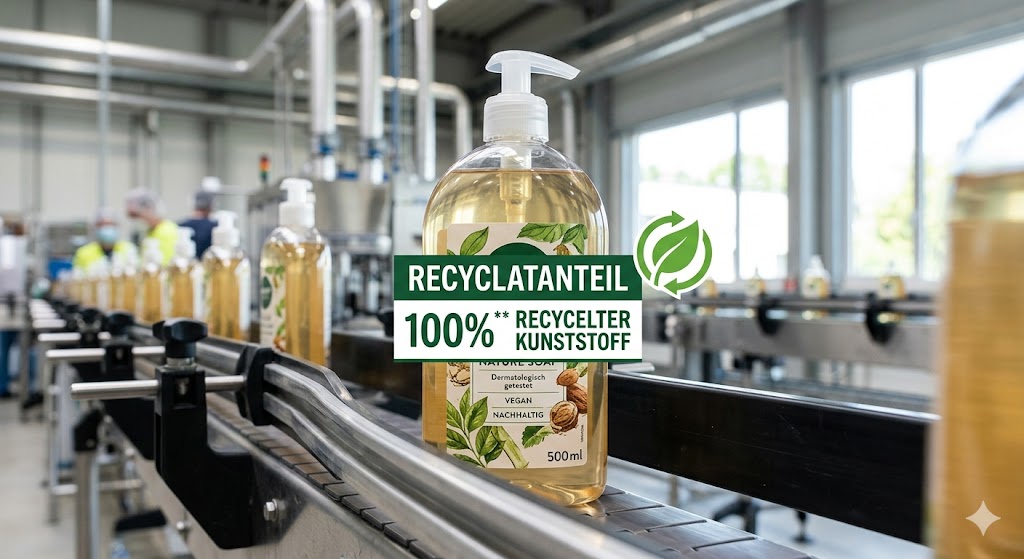
What is Recyclatanteil
Recyclatanteil is a German term that translates to “recycled content share” and refers to the proportion of recycled material used in a product or raw material compared to its total material composition. It is commonly applied in industries such as packaging, plastics, textiles, construction materials, and manufacturing.
The concept plays a central role in sustainability discussions because it directly reflects how much virgin (newly extracted or newly produced) material is being replaced by reused or reprocessed material. A higher recyclatanteil generally indicates a lower environmental footprint, especially in terms of resource consumption and waste generation.
Why Recyclatanteil Matters in Modern Industry
The importance of recyclatanteil has grown significantly due to rising environmental concerns and global pressure to reduce reliance on raw material extraction. Industries are now expected to reduce carbon emissions, minimize waste, and adopt circular economy principles. Recyclatanteil serves as a measurable indicator of progress toward these goals.
When manufacturers increase the recycled content in their products, they reduce the need for energy-intensive extraction processes such as mining for metals or drilling for petroleum-based plastics. This shift helps lower greenhouse gas emissions and reduces the environmental degradation associated with resource harvesting.
How Recyclatanteil is Measured and Calculated
Measuring recyclatanteil involves determining the percentage of recycled input material within a finished product. The calculation typically follows a simple ratio: the weight or volume of recycled material divided by the total weight or volume of the product, multiplied by 100. However, in practice, the process can be more complex.
Manufacturers must verify the origin of materials, distinguish between pre-consumer and post-consumer recycled content, and ensure traceability across supply chains. Pre-consumer recycled material refers to industrial scraps that are reused before reaching consumers, while post-consumer material comes from used products collected after consumption.
Recyclatanteil in the Plastics Industry
The plastics industry is one of the most active sectors in promoting recyclatanteil due to the global challenge of plastic pollution. Recycled plastics are increasingly used in packaging, bottles, containers, and even durable goods such as furniture and automotive components. Increasing recyclability in plastics helps reduce dependency on fossil fuels, as most virgin plastics are derived from petroleum or natural gas.
However, achieving high recyclatanteil in plastics can be technically challenging due to contamination, degradation of material quality, and differences in polymer types. Despite these challenges, advancements in recycling technologies such as chemical recycling and improved sorting systems are making it possible to produce high-quality recycled plastics.
Recyclatanteil in the Textile and Fashion Sector
The textile industry has also embraced the concept of recyclatanteil as part of its shift toward sustainable fashion. Recycled fibers, such as polyester made from PET bottles or regenerated cotton from textile waste, are increasingly used in clothing production. Fashion brands are under growing scrutiny for their environmental impact, and recyclability has become a key metric for assessing sustainability performance.
Increasing recycled content in textiles reduces water usage, energy consumption, and waste generated by fast fashion cycles. Despite these limitations, innovation in fiber regeneration technologies is expanding possibilities, allowing brands to design garments with higher recycled content while maintaining quality and durability.
Recyclatanteil in Construction and Building Materials
In the construction industry, recyclatanteil plays a crucial role in promoting sustainable infrastructure development. Materials such as concrete, steel, glass, and insulation products increasingly incorporate recycled components. For example, crushed concrete from demolished buildings can be reused as aggregate in new construction projects.
Steel is particularly notable because it can be recycled repeatedly without significant loss of quality, making it a strong contributor to high recyclatanteil values in structural applications. Increasing recycled content in construction materials reduces the environmental footprint of urban development and helps manage construction waste more effectively.
Environmental Benefits of High Recyclatanteil
A high recyclatanteil provides multiple environmental benefits, primarily by reducing the demand for virgin raw materials. This reduction leads to less mining, drilling, and deforestation, which are major contributors to ecosystem destruction and biodiversity loss. Using recycled materials typically requires less energy compared to producing new materials from scratch, resulting in lower carbon dioxide emissions.
Waste diversion is another key benefit, as materials that would otherwise end up in landfills are reintroduced into production cycles. This supports the circular economy model, where resources are continuously reused rather than discarded after a single use. Over time, increasing recyclatanteil across industries can significantly reduce global environmental pressure and contribute to climate change mitigation efforts.
Economic Implications of Recyclatanteil
Beyond environmental advantages, recyclatanteil also has important economic implications. Recycled materials can sometimes be more cost-effective than virgin materials, especially when raw material prices are high or volatile. Companies that integrate recycled content into their supply chains may benefit from reduced material costs and improved resource security.
However, the economic feasibility of high recyclatanteil depends on factors such as recycling infrastructure, collection efficiency, and processing technology. In the long term, businesses that adopt high recyclability strategies may gain resilience against resource scarcity and regulatory changes while also enhancing their brand value.
Technological Innovations Supporting Recyclatanteil
Technological advancements are playing a crucial role in increasing recyclatanteil across industries. Modern sorting systems using artificial intelligence and sensor-based technologies can separate materials more efficiently, improving the quality of recycled output. Chemical recycling methods are also emerging, allowing plastics to be broken down into their original monomers and rebuilt into new materials with properties similar to virgin products.
In the textile sector, enzymatic recycling and fiber-to-fiber regeneration technologies are expanding possibilities for closed-loop systems. Digital tracking systems, such as material passports, are improving transparency in supply chains and making it easier to verify recyclatanteil. These innovations are helping bridge the gap between sustainability goals and industrial feasibility.
Future Outlook of Recyclatanteil in Global Markets
The future of recyclatanteil is closely tied to global sustainability trends and regulatory developments. Governments are increasingly implementing policies that require minimum recycled content in products, particularly in packaging and consumer goods. As circular economy principles become more widespread, recyclability is expected to become a standard performance metric across industries.
Consumer awareness is also rising, with more buyers preferring products made from recycled materials. This shift in demand will likely push companies to innovate and increase their recycled content shares. In the long term, recyclata may evolve from a voluntary sustainability measure into a mandatory industry benchmark, fundamentally reshaping production systems and global material flows.
Conclusion
Recyclatanteil has become a key indicator of sustainability across modern industries, reflecting how effectively recycled materials are being reintegrated into production systems instead of relying on virgin resources. As global concerns about climate change, resource depletion, and waste management continue to rise, the importance of increasing recycled content in products is only growing stronger.
Although there are still challenges such as quality limitations, contamination issues, and infrastructure gaps, ongoing technological innovations and stronger environmental regulations are steadily improving the feasibility of higher recyclatanteil levels. At the same time, businesses are recognizing that recycled content is not just an environmental responsibility but also an economic opportunity and a competitive advantage.