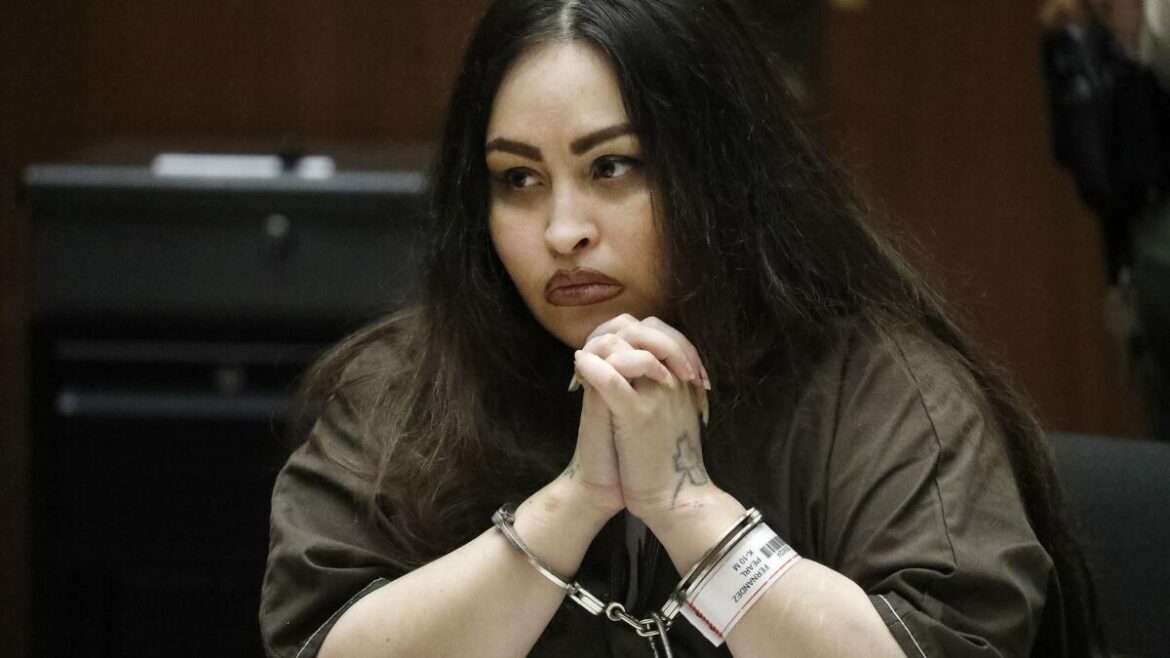
The case of Pearl Fernandez stands as one of the most heartbreaking and disturbing child abuse tragedies in modern American history, capturing global attention due to the unimaginable cruelty inflicted upon an innocent child and the systemic failures that allowed it to happen. Born in the United States, Pearl Fernandez became widely known not for accomplishments or contributions, but for her role in the prolonged abuse and eventual death of her young son, a case that exposed serious flaws in child protective systems and sparked nationwide outrage.
Early Life and Background of Pearl Fernandez
Pearl Fernandez had a troubled upbringing, which has often been discussed in attempts to contextualize her later actions, though it does not excuse them. Reports suggest that she experienced instability and possible neglect during her childhood, growing up in an environment that lacked consistent care and emotional support.
As she transitioned into adulthood, she struggled with relationships, personal identity, and stability, often moving between partners and dealing with financial hardship. Her life was marked by periods of turmoil, and she had multiple children, some of whom were raised by relatives or others due to her inability to provide consistent care.
Gabriel Fernandez: The Innocent Victim
At the center of this tragic story is Gabriel Fernandez, an eight-year-old boy whose life was filled with suffering rather than the love and protection every child deserves. Teachers and acquaintances described Gabriel as kind, polite, and eager to please, despite enduring horrific abuse at home.
Before being returned to the custody of Pearl Fernandez, he had been living with relatives who reportedly provided a safer, more stable environment. A decision was made by child welfare authorities to reunite him with his biological mother, a decision that would ultimately prove fatal.
The Role of Isauro Aguirre
A critical figure in this case is Isauro Aguirre, the boyfriend of Pearl Fernandez at the time. Aguirre played a central role in the abuse inflicted upon Gabriel, participating in and escalating acts of violence that were both physically and psychologically devastating.
The dynamic between Fernandez and Aguirre has been examined extensively, with many pointing to a toxic and abusive relationship that contributed to the environment in which Gabriel was harmed. However, both individuals were ultimately responsible for their actions, and their partnership became synonymous with the cruelty that defined the case.
Patterns of Abuse and Warning Signs
The abuse suffered by Gabriel Fernandez was not a single isolated incident but a sustained pattern of violence and neglect that escalated over time. Reports indicate that he was subjected to beatings, forced starvation, confinement, and other forms of torture that are difficult to comprehend.
Teachers and school staff noticed bruises, unusual behavior, and signs of malnourishment, prompting multiple reports to child protective services. Neighbors also expressed concern, noting that Gabriel often appeared frightened and withdrawn. Despite these warning signs, interventions were either insufficient or ineffective, allowing the abuse to continue unchecked.
Involvement of Child Protective Services
The involvement of the Los Angeles County Department of Children and Family Services has been heavily scrutinized in the aftermath of Gabriel’s death. Social workers assigned to the case reportedly conducted visits and assessments, but failed to recognize or act upon the severity of the abuse.
Documentation suggests that there were inconsistencies in reporting, inadequate follow-up, and a lack of coordination between agencies. The tragedy raised serious questions about the training, workload, and accountability of child welfare professionals, as well as the policies that guide their decisions.
Legal Proceedings and Sentencing
Following the investigation, both Pearl Fernandez and Isauro Aguirre were arrested and charged with multiple offenses, including first-degree murder. The legal proceedings drew significant media attention, as prosecutors presented evidence of the abuse and argued for severe penalties.
Aguirre was ultimately convicted and sentenced to death, reflecting the jury’s assessment of his direct role in the violence. Fernandez, on the other hand, accepted a plea deal and was sentenced to life in prison without the possibility of parole.
Public Reaction and Media Coverage
The case of Pearl Fernandez generated widespread media coverage and public outrage, with many questioning how such a tragedy could occur in a system designed to protect children. Documentaries, news reports, and investigative pieces examined the details of the case, bringing Gabriel’s story to a global audience.
One notable example is the documentary series The Trials of Gabriel Fernandez, which provided an in-depth look at the events leading up to his death and the subsequent legal proceedings. The series sparked renewed interest in the case and prompted discussions about accountability, systemic reform, and the responsibilities of those tasked with protecting vulnerable children.
Systemic Failures and Calls for Reform
In the wake of Gabriel’s death, there were widespread calls for reform within child protective services and related institutions. Critics argued that the system failed at multiple levels, from initial assessments to ongoing monitoring and intervention.
Legislative efforts were initiated in some areas to address these issues, though progress has been uneven. The tragedy served as a stark reminder that policies and procedures must be continually evaluated and improved to ensure that they effectively protect those most at risk.
The Legacy of Gabriel Fernandez
The legacy of Gabriel Fernandez is one of both tragedy and impact, as his story has inspired efforts to improve child welfare systems and raise awareness about abuse and neglect. Advocacy groups have used his case to highlight the importance of listening to children, taking reports of abuse seriously, and ensuring that interventions are timely and effective.
While no reform can bring Gabriel back, his story has contributed to a broader conversation about how to prevent similar tragedies in the future. His name has become synonymous with the urgent need for change, serving as a reminder of what is at stake when systems fail.
Lessons Learned from the Case
The case of Pearl Fernandez offers several important lessons for society, policymakers, and professionals in the field of child welfare. It demonstrates the critical importance of thorough investigations, clear communication, and decisive action when there are signs of abuse.
It also highlights the need for accountability at all levels, ensuring that those responsible for protecting children are held to the highest standards. Perhaps most importantly, it underscores the value of empathy and vigilance, reminding us that every child deserves to be safe, heard, and cared for.
Conclusion
The story of Pearl Fernandez and Gabriel Fernandez is a deeply painful one, but it is also an essential reminder of the responsibilities we share in protecting vulnerable members of society. While the legal system has delivered its verdicts, the broader issues raised by the case remain relevant, requiring ongoing attention and action.
By learning from this tragedy and working to address the systemic failures it exposed, there is hope that future children can be spared similar suffering. The legacy of Gabriel Fernandez calls for continued vigilance, compassion, and commitment to ensuring that no child is left unprotected.
Also Read Here: Richard Taubman